Repair your roof when the damage is limited to one area and the rest of the roof still has good years left. Replace it when problems show up in several places, when the shingles are worn out across the whole roof, or when the decking underneath has started to rot. For most Sandy homes with asphalt shingles, that turning point arrives somewhere around 18 to 25 years. It often comes sooner on shaded, mossy roofs under tall Douglas firs.
That’s the short answer. The longer answer matters, because choosing wrong in either direction costs money. Replace too early and you throw away years of roof life you already paid for. Repair too long and you end up paying for patches, then paying for the replacement anyway, plus the water damage that happened in between.
After more than 30 years of roofing around Sandy, Boring, Gresham and Estacada, here’s how we help homeowners make this call.
Why This Decision Is Different in Sandy
National repair versus replacement guides are written for average climates. Sandy is not average.
We sit near 1,000 feet in the Cascade foothills on the way to Mt. Hood. We get noticeably more rain than Portland, a long wet season from fall through spring, colder winter nights, and the occasional snow or ice storm moving through Clackamas County. Strong east winds pour out of the Columbia River Gorge in winter, and many homes sit beneath tall firs that drop needles and shade the roof for most of the day.
All of that means two things. Asphalt shingles here usually wear out sooner than the number on the warranty suggests. And moisture damage often hides under the surface, where you can’t see it from the driveway. So age alone can’t settle the question. You have to look at the whole picture.
Signs a Roof Repair Is the Right Choice
A repair usually makes sense when the problem is contained and the roof around it is healthy. Good candidates include:
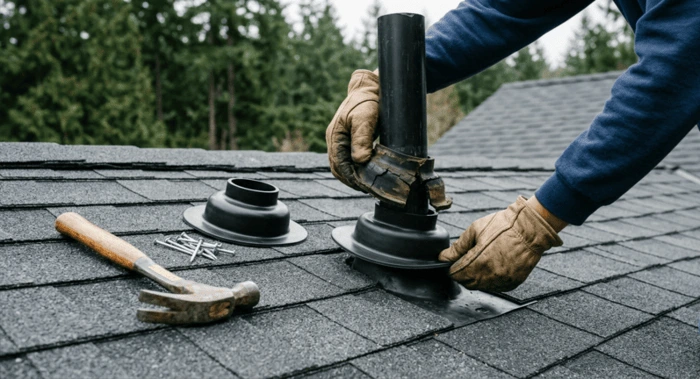
- A single leak from a roof penetration. A cracked pipe boot, a failed seal around a skylight, or loose chimney flashing is a detail failure, not a roof failure.
- A few missing or creased shingles after a windstorm. If the surrounding shingles still lie flat and flexible, replacing the damaged ones is a straightforward fix.
- Damage from a fallen limb in one spot. If the decking beneath is sound or needs only a small section replaced, repair is usually enough.
- Moss that hasn’t lifted the shingles yet. Professional moss removal, followed by repairing a few lifted pieces, can add years to a roof.
- A roof under about 12 to 15 years old. A younger roof still has plenty of life left to protect, so fixing it is money well spent.
The key question is simple: once this repair is done, will the rest of the roof keep performing for years? If the answer is yes, repair it.
Signs It’s Time for a Roof Replacement
Replacement becomes the smarter investment when the roof is failing as a system rather than in one spot. Watch for these signs:
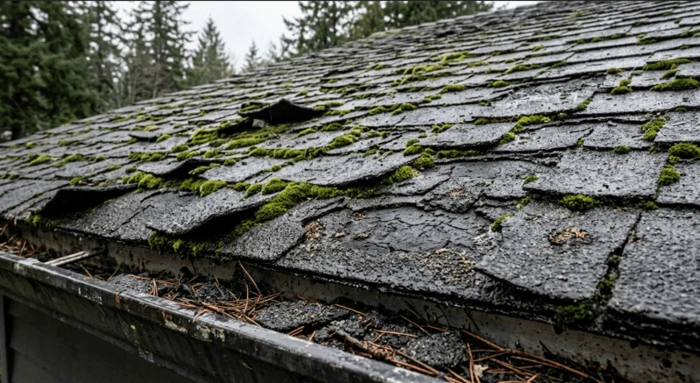
- Leaks in more than one area, or new leaks showing up after each big storm.
- Widespread granule loss. You’ll notice piles of dark, sandy granules in the gutters or at the bottom of downspouts, with shingles that look bald or shiny.
- Curling, cupping, or cracking shingles across large sections of the roof, especially on the south and west slopes that get the most sun.
- Soft or spongy spots when the roof is walked, which usually means the plywood or OSB decking has absorbed water and started to rot.
- A sagging ridge or roofline, which can point to structural moisture damage and needs a professional look right away.
- Daylight or dark staining in the attic, or damp insulation spread across a wide area.
- Thick moss that has lifted rows of shingles and held water against the roof for years.
- An asphalt roof past about 20 years old with several of the issues above.
- You’ve already paid for two or three repairs in the last few years and the problems keep coming back.
One sign on its own is not a verdict. Three or four together usually mean the roof has reached the end of its reliable life.
The Money Question: A Simple Way to Compare Costs
A repair almost always costs less today. The better question is what each option costs per year of protection.
Here’s a simple way to think about it. Divide the repair cost by the number of years you expect that repair to buy before the next problem shows up. Then divide the replacement cost by the expected life of a new roof. Compare the two numbers.
Example with round numbers: Say a repair on a tired 22 year old roof would buy about two more years. Now say a new architectural shingle roof would last around 25 years. If the repair cost divided by two years is close to the replacement cost divided by 25 years, the repair isn’t really saving you money. It’s delaying a bill you’ll pay anyway, with more risk of water damage in the meantime.
Two more rules of thumb help:
- The one third rule. If a repair quote reaches about one third of what a full replacement would cost, get a replacement quote before deciding.
- The repeat rule. If you’ve repaired the same roof more than twice in a few years, replacement usually wins over the long run.
Keep in mind that hidden decking damage can raise the cost of both options once the old shingles come off. That’s why a thorough inspection matters before you choose.
What About Replacing Just One Section?
Partial replacement, where only one slope or one damaged area is redone, sounds like a great middle ground. Sometimes it is. For example, a north slope covered in moss may have aged much faster than the sunny south side.
There are real trade-offs, though. Shingle colors fade over time, and manufacturers discontinue colors and styles. That means new shingles rarely match the old ones exactly. The seam between old and new sections also needs careful work so it doesn’t become a leak point. And you may end up with two parts of the roof on different aging schedules, plus warranty coverage on only part of it.
A partial replacement works best when one section is clearly in much worse shape than the rest, and the remaining roof still has many good years.
Can You Put New Shingles Over the Old Ones?
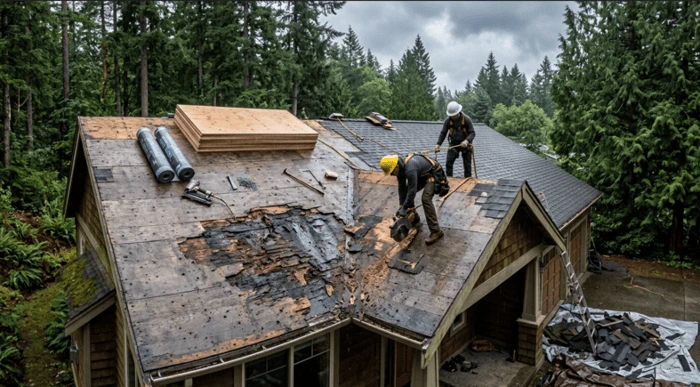
This is called an overlay or a roof over. It skips the tear-off, so it costs less upfront. Oregon limits how many shingle layers a roof can have, though. Most homes with two layers already need a full tear-off.
Even when an overlay is allowed, we usually recommend tearing off the old roof in our climate. An overlay hides the decking, so any soft or rotted wood stays buried under the new roof. It adds weight, which matters when snow sits on the roof. It can also shorten the life of the new shingles and affect manufacturer warranty coverage. A full tear-off lets your roofer inspect and replace damaged decking, then install fresh underlayment, flashing, and ventilation from scratch.
How Your Roofing Material Changes the Answer
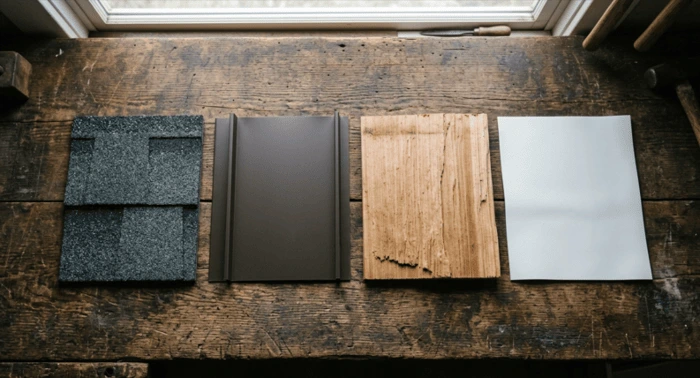
Not every roof follows the asphalt shingle timeline.
Asphalt shingles are the most common roof in Sandy. Architectural shingles typically last longer than older three tab styles. In our wet climate, expect roughly 18 to 25 years, with shaded, mossy roofs landing at the lower end.
Metal roofing can last 40 years or more, and it sheds rain and snow well. Most metal roof problems, like loose fasteners, worn washers, or flashing issues, are repairable for decades.
Cedar shake roofs need regular maintenance and moss control here. When shakes are split, cupped, and soft across the roof, repair turns into replacement quickly.
Low slope roofs using TPO, PVC, or modified bitumen, common on additions, shops, and commercial buildings, can often be repaired at the seams. When the membrane is brittle or water is trapped underneath, it’s time to replace it.
Other Factors That Can Tip the Decision
Planning to sell soon? A buyer’s home inspector will flag an aging roof, and that can lead to price negotiations or trouble getting insurance. If the roof is close to the end of its life, replacing it before you list can make the sale smoother. If the roof is fairly young, a documented repair is usually enough.
Staying for the long term? A replacement lets you upgrade to materials built for our weather, like algae resistant shingles or metal. You can also fix ventilation and add better underlayment in valleys and at the eaves.
Storm damage and insurance. If wind, a falling tree, or an ice storm caused the damage, your homeowners insurance may cover part of the cost. Coverage depends on your policy and your roof’s age. Document the damage with photos and have a roofer inspect it before you file.
Energy and comfort. An old roof often goes hand in hand with poor attic ventilation, which leads to condensation, mold, and ice dams in winter. A replacement is the ideal time to correct that.
Timing. Sandy’s drier months, roughly late spring through early fall, are the easiest time to replace a roof. Roofers can work in the rain with proper precautions, but schedules fill quickly before the wet season. If you know replacement is coming, plan ahead instead of waiting for a winter leak to force the decision.
Quick Decision Guide
| Your Situation | Usually the Better Choice |
|---|---|
| One leak from a pipe boot, skylight, or chimney | Repair |
| A few shingles lost in a windstorm on a younger roof | Repair |
| Moss present but shingles still lying flat | Moss removal and repair |
| Roof under 15 years with isolated damage | Repair |
| Leaks in several areas at once | Replacement |
| Widespread granule loss or curling shingles | Replacement |
| Soft decking or a sagging roofline | Replacement |
| Asphalt roof over 20 years with ongoing problems | Replacement |
| Repair quote near one third of replacement cost | Get a replacement quote first |
| One badly aged slope, rest of roof in good shape | Consider partial replacement |
Questions to Ask Your Roofer Before You Decide
A good roofer should give you honest options, not a sales pitch. Ask these questions:
- How many years do you realistically expect this repair to last?
- Did you find any soft decking, rot, or moisture in the attic?
- How much life do you think the rest of the roof has left?
- What would a replacement include: tear-off, decking repair, underlayment, flashing, and ventilation?
- Can you show me photos of the problem areas?
- What warranty comes with the repair, and what comes with a new roof?
- Are you licensed with the Oregon Construction Contractors Board and insured?
If a roofer pushes replacement without showing you evidence, or promises a cheap patch will fix a roof that’s clearly worn out, get a second opinion.
Frequently Asked Questions
How do I know if my roof needs repair or replacement?
Your roof likely needs a repair if the damage is limited to one area and the roof is fairly young. It likely needs replacement if leaks appear in several places, shingles are curling or losing granules across the roof, the decking feels soft, or an asphalt roof is past about 20 years. A professional inspection confirms which applies.
How long does a roof last in Sandy, Oregon?
An asphalt shingle roof in Sandy typically lasts about 18 to 25 years. Heavy shade, moss, and poor ventilation push that lower. Metal roofs often last 40 years or more.
Is it cheaper to repair or replace a roof?
A repair is cheaper upfront. But if a roof is near the end of its life and needs frequent fixes, the total cost of repeated repairs plus water damage can exceed the cost of a replacement.
Can one bad leak mean I need a new roof?
Not usually. Most single leaks come from a specific detail like a pipe boot, flashing, or a skylight, and those can be repaired. A leak signals replacement only when it comes with widespread wear or rotted decking.
Can I replace only part of my roof?
Yes, a partial replacement is possible when one section is much worse than the rest. Keep in mind that new shingles rarely match faded older ones exactly, and warranty coverage may apply only to the new section.
Does moss mean my roof has to be replaced?
No. Moss caught early can be removed safely and the roof repaired. Replacement is only needed when moss has lifted large areas of shingles and moisture has damaged the underlayment or decking.
What is the best time of year to replace a roof in Sandy?
Late spring through early fall is the best window because of the drier weather. Booking early helps you avoid the rush before the rainy season.
Get an Honest Answer From a Trusted Roofing Contractor in Sandy, OR
Deciding between roof repair and roof replacement should be based on facts, not pressure. At Red Stag Roofing, we inspect your roof and your attic, photograph what we find, and walk you through every option. If a repair will do the job, we’ll tell you. If it’s time for a new roof, we’ll explain why and help you choose materials made for our weather.
We’re licensed and insured, family focused, and have more than 30 years of roofing experience. We serve Sandy, Gresham, Boring, Estacada, Clackamas and nearby communities with roof repair, roof replacement, moss removal, and gutter cleaning.
Call us at +1 (503) 926 1835 to schedule your free estimate. We’ll help you make the right call for your home and your budget.
One Response